
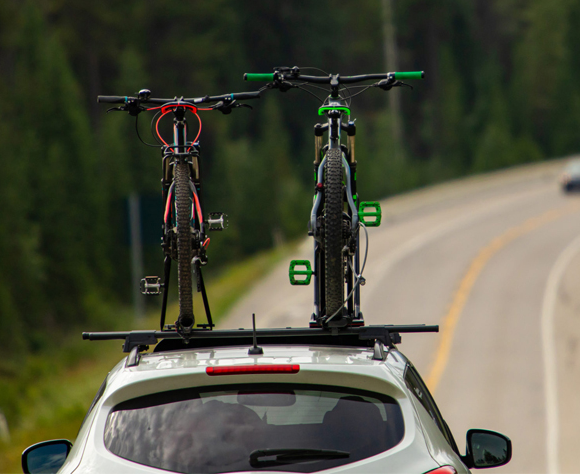
If you’re looking to purchase roof bars for your car, there are a few factors you need to consider. Not all roof bars are universal, and some are designed for specific uses. In this article, we’ll explore the different types of roof bars available, and what you need to think about when choosing the right roof bars for your vehicle.
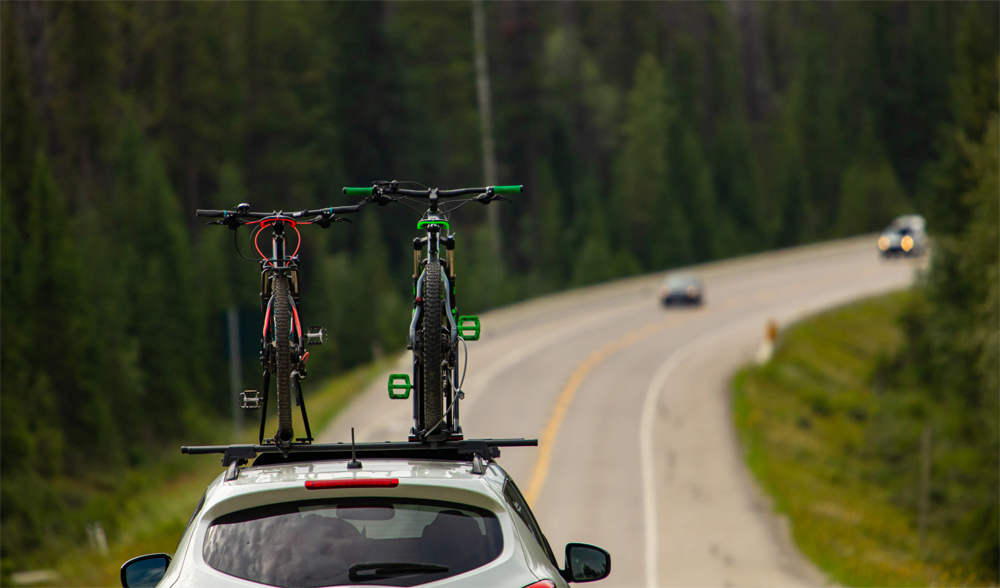
Roof bars are used to securely transport large or heavy items that cannot fit inside the car. This could be camping gear, a bicycle, or other items that are needed for long trips. Roof bars come in different sizes, materials, and fittings, each designed to carry specific weights and equipment.
Common Roof Bar Types
There are three main types of roof bars that most cars can accommodate:
- Square bars
- Aero bars
- Wing bars
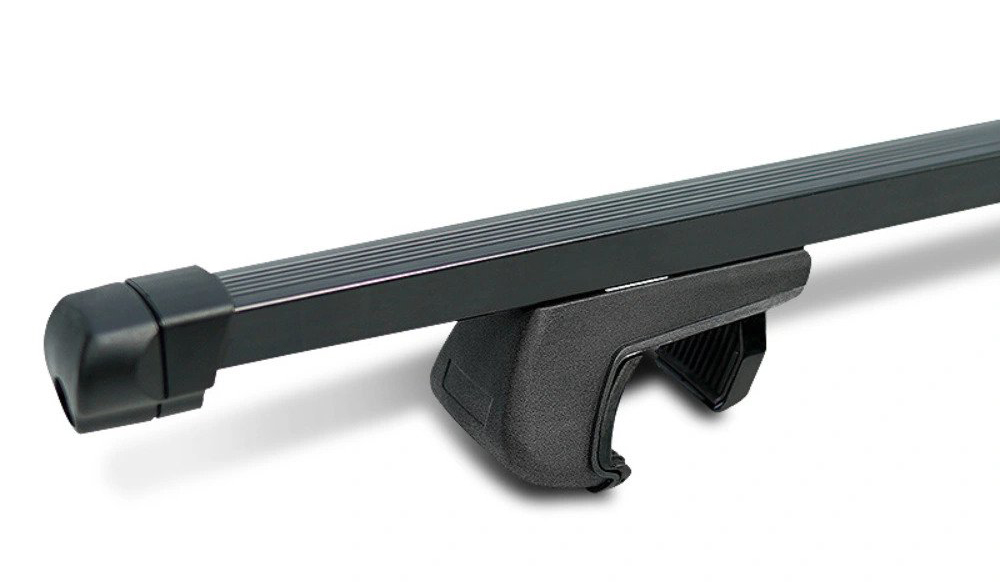
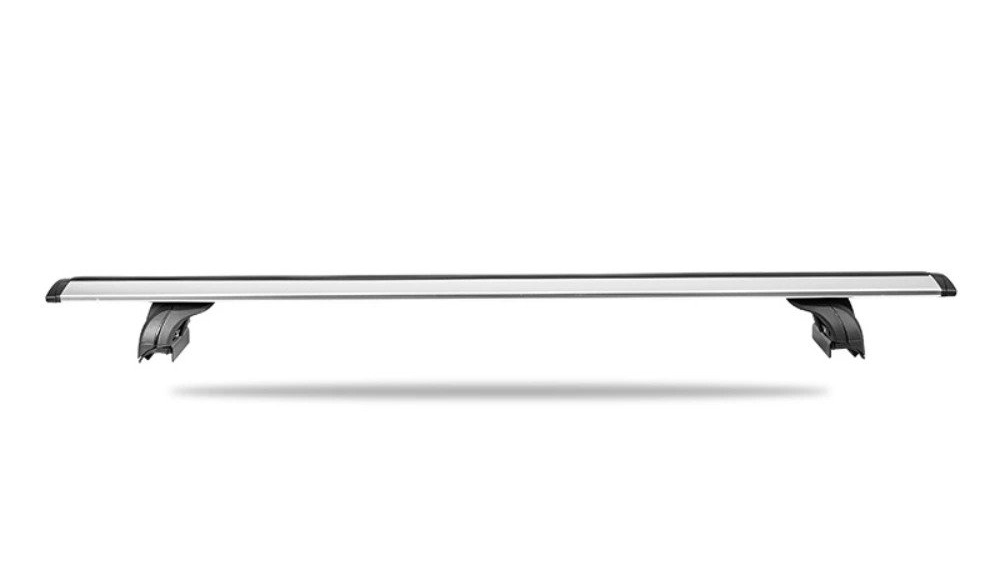
Square bars are the most common type of roof bar and are made from steel. Aero bars are made from lightweight aluminum, making them more aerodynamic than other roof bars. Wing bars are often made from aluminum, using a t-track system that is more aerodynamic than square bars. When making a decision, there are a few specifications to consider.
Which Are Best?
Cars may have one of four types of roof rails:
Bare roof: There is no rails or any fixed points of attachment.
Fixed points: No side rails but removable or sliding tables.
Closed or flush rail: There are rails running along the car roof.
Open or raised rail: It is similar to closed or flushed rails except for a gap between the roof and the rail.
Knowing which roof rail system your car has will help you determine which type of roof bar and rack you need.
Limitation of the Weight
There are weight limits for roof bars and racks, which determine their maximum carry weight. What you should do is to consider the weight of all your luggage and check whether it reaches the limit of the roof bar rack. Most roof bars can carry between 50kg to 100kg. It’s also advisable to check your vehicle’s manual to determine the maximum weight your roof rack can safely carry.
Please check our Universal Thickened Aluminum Alloy Low Noise Anti-theft Roof Bar that can provides super heavy load capacity.
Financial Plan
Steel roof bars cost less than aluminum variants. So, consider your financial plan when purchasing a roof rack. Aluminum bars may cost more, but they are often wider and lighter.
Aerodynamics
Each type of roof bar works differently with the air. Aluminum aero are more aerodynamic than steel roof bars. So they will make less noise during your journey. But steel racks can be stronger, making them more suitable for heavier loads.
Take a look at our Universal Thickened Aircraft Grade Aluminum Alloy Low Noise Anti-theft Roof Bar that can provide both high strength and great noise reduction performance.
Fuel Economy
Basically, roof bars and racks can have a minimal effect on fuel consumption. If you need to leave them on your car roof for long time, they will be quite useful.
However, they will change your car’s shape and affect drag to some extent, causing your car to work harder. If the loads are too heavy, they will also increase fuel consumption.
Fitting Roof Bars and Racks
Roof bars typically come in three parts: the bars, foot packs, and a fitting kit. Connect the foot packs to the bars and use the fitting kit to attach the foot packs to the car roof. If your car model has raised roof rails, you may not need a fitting kit.
The instructions that come with your roof bars will advise you on how much torque to apply to the roof bolts. You should not overtighten them since this could damage the rack and your car.
Please go to our blog 5 Popular Ways to Mount Roof Racks to see how to fit common roof bars and racks to vehicles.
Keep Roof Bars There
While roof bars and racks are constructed with durability in mind, they will eventually wear down due to changes in weather. Therefore, it is advisable to remove roof bars and racks when not in use to avoid oxidation and wearing down.